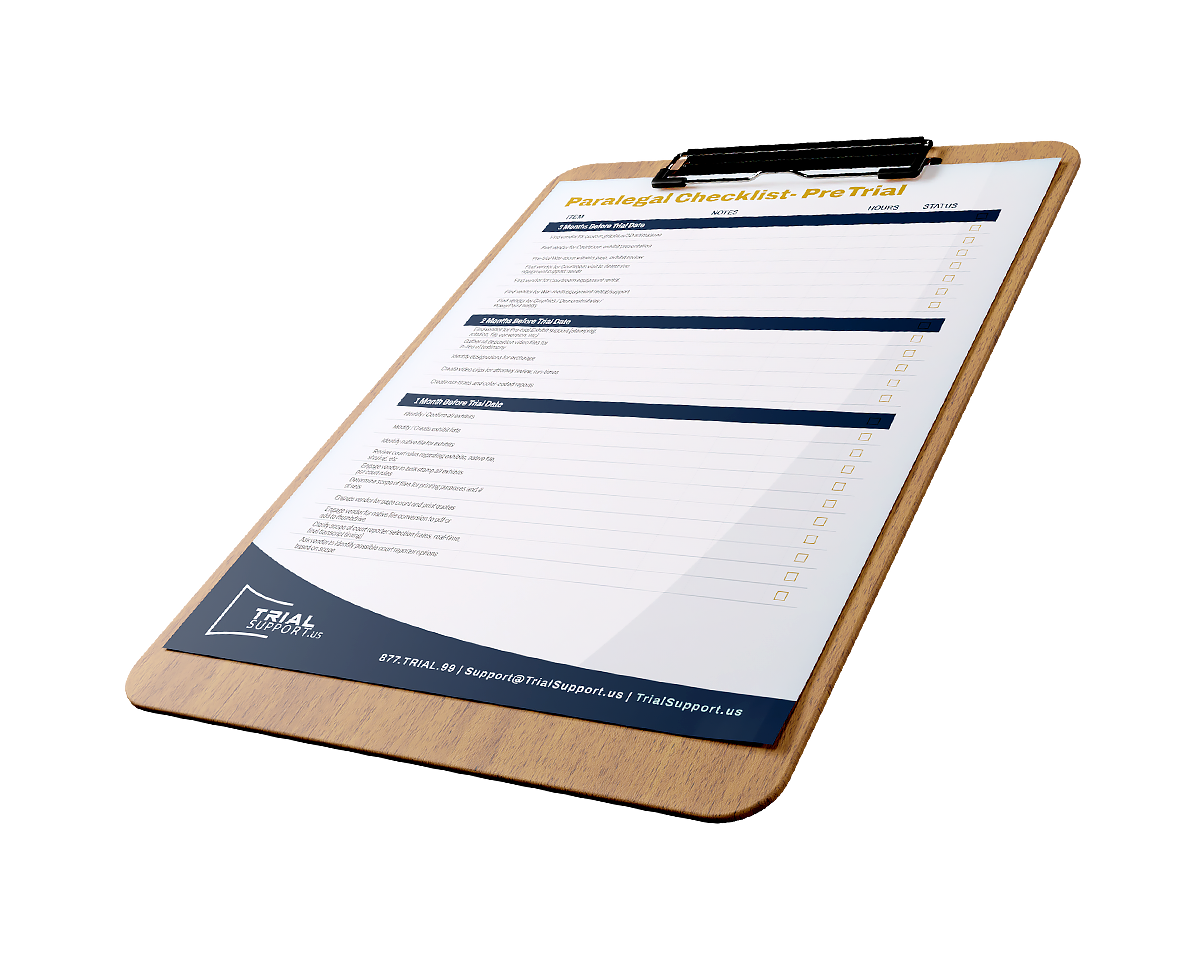
What Most Trial Teams Miss
Until It’s Too Late
You’ve prepped your case. Your witnesses are ready. Your exhibits are lined up.
But before you walk into the courtroom—are you sure everything behind the scenes is truly trial-ready?
The reality is, even strong cases can stumble if the technical execution falls short. From untested exhibits to poor hot seating decisions, these issues can quietly derail momentum in front of a jury.
At TrialSupport.us, we’re in courtrooms every day. And we consistently see the same preventable mistakes—ones that can be fixed with the right preparation and support.
Here are the 7 most critical pre-trial items your team should confirm before trial begins.

Exhibits Are Not Preloaded, Stamped, and Tested
It’s not enough to have your exhibits saved and organized.
They must be:
- Properly stamped per court requirements
- Preloaded into trial presentation software
- Tested across all display systems
If not, you risk delays, formatting issues, or worse—losing credibility in front of the jury.
Pro Tip: Every exhibit should be trial-ready, optimized, and instantly accessible without hesitation.
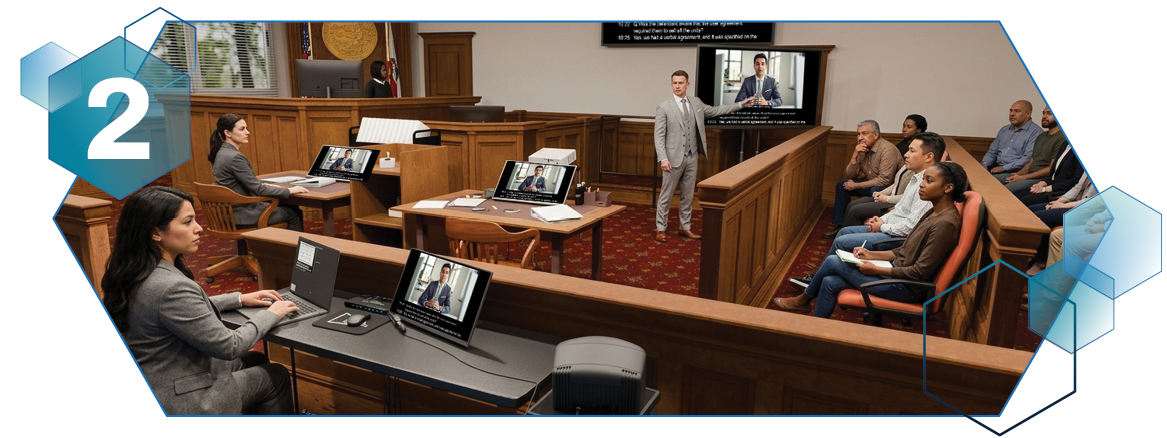
Deposition Video Clips Are Not Cut and Synced
Nothing kills momentum like fumbling through video playback.
Common issues include:
- Clips not synced with transcripts
- Missing scroll text
- Long pauses or awkward edits
These problems waste time and weaken your impact.
Best Practice: Prepare clean, concise clips with synchronized text to deliver seamless impeachment moments.
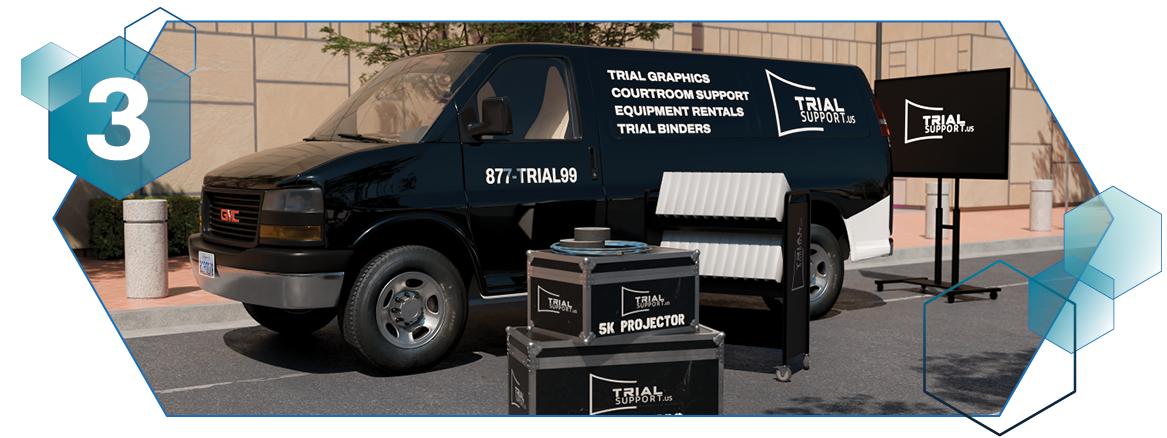
No Backup Equipment in the Courtroom
Courtroom tech can fail—monitors, projectors, audio, even power sources.
Without backup equipment, you’re left scrambling in real time.
Every trial team should have:
- Backup laptops and adapters
- Redundant display connections
- Extra cables and power solutions
Because when something fails, it’s already too late.
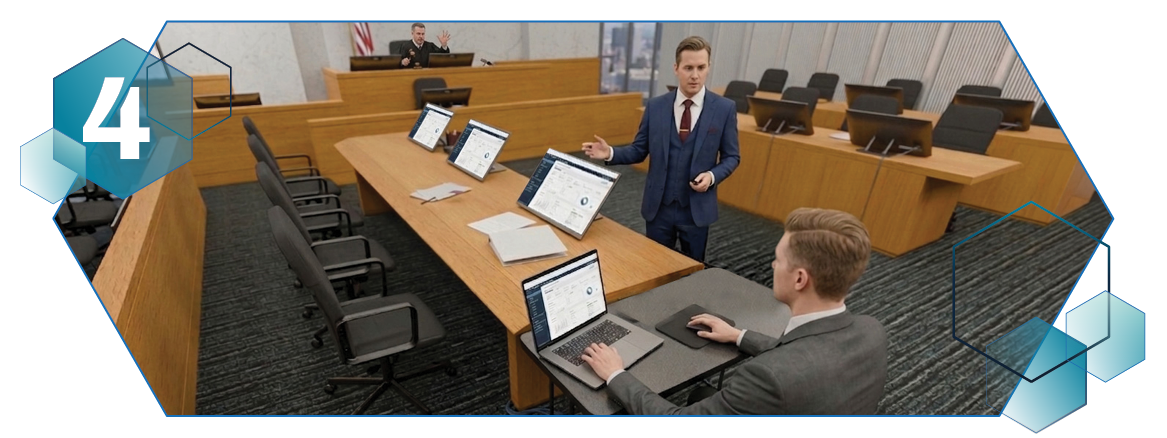
The Wrong Person Is Handling Hot Seating
This is one of the most overlooked—and costly—mistakes.
Too often, teams rely on:
- An attorney who doesn’t regularly “hot seat”
- A paralegal thrown into the role under pressure
- Someone unfamiliar with the presentation software
The result? Delays, missed cues, and broken courtroom rhythm.
Hot seating is a skill. It requires speed, precision, and anticipation.
When done right, it keeps your presentation seamless and allows the attorney to stay focused on the argument—not the technology.

No Real-Time Collaboration on Trial Presentations
This is a newer—but critical—gap we’re seeing more often.
Many teams still rely on:
- Static PowerPoint files
- Emailing revisions back and forth
- Last-minute version confusion
That approach slows everything down and increases risk.
What top teams are doing instead:
Using PowerPoint Online with real-time collaboration, where:
- Attorneys can request edits instantly
- Teams can view updates live
- Changes happen in real time—no version control issues
This means:
- Faster iteration on arguments
- Immediate adjustments based on courtroom dynamics
- Full visibility across the entire trial team
When your presentation can evolve in real time, your strategy becomes more agile—and more effective.
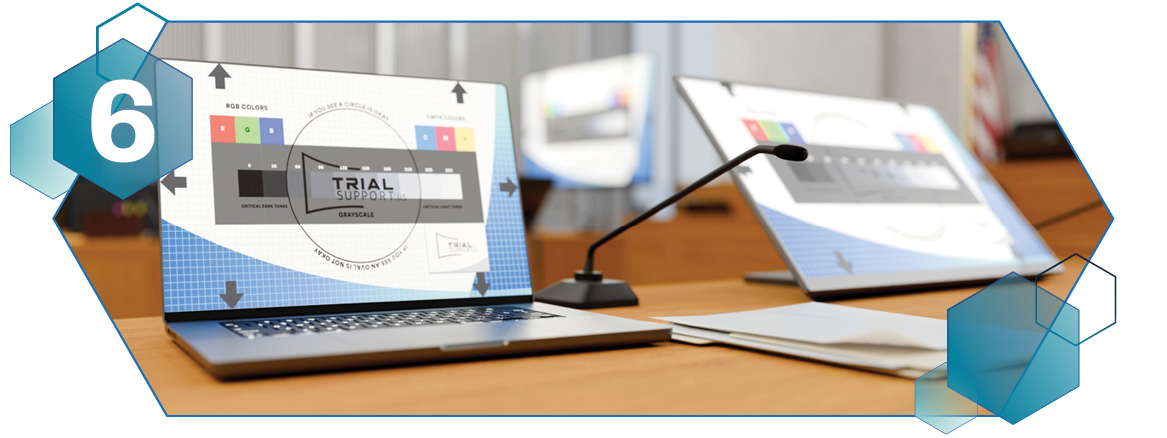
Presentation Not Optimized for Every Screen
What looks perfect on your laptop may not translate well in the courtroom.
Different environments mean:
- Washed-out visuals
- Text that’s too small
- Poor contrast on projectors
You need to test for:
- Courtroom monitors
- Jury displays
- Projectors
Optimization ensures your visuals land the way they’re intended.
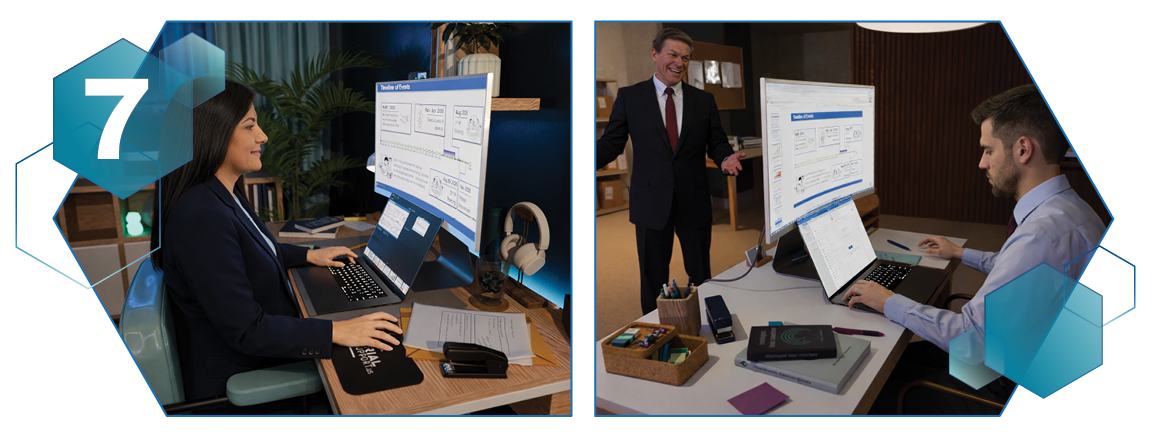
No Full Trial Tech Rehearsal
Skipping a full dry run is one of the biggest risks you can take.
Without rehearsal:
- Exhibit order may be off
- Transitions may feel clunky
- Technical issues go unnoticed
A proper dry run should include:
- Full presentation walkthrough
- Exhibit sequencing
- Tech checks across all devices
Because trial is not the place to “figure it out.”
Why This Matters
Even the strongest cases can stumble if execution breaks down.
These aren’t rare mistakes—they’re common, preventable issues we see every week in courtrooms across the country.
And the difference between a smooth trial and a stressful one often comes down to preparation.
View our pre-trial services page at www.trialsupport.us/pre-trial.
Schedule a complimentary 15‑minute consultation: