Trial Success
Starts Long Before Opening Statements
One of the most important—and often overlooked—questions in trial prep is simple:
Who is running your courtroom presentation?
Is it the lead attorney? A paralegal? IT? Or a dedicated trial technician?
The answer matters more than most teams realize. Because in today’s courtroom, how you present your case is just as important as the case itself.
At TrialSupport.us, we regularly hear from firms trying to figure out whether they can handle trial presentation in-house—or whether it’s time to bring in a professional. Here’s a practical way to assess that decision.
View our technicians page at www.trialsupport.us/technicians.
Schedule a complimentary 15‑minute consultation:
When You Might Not Need a Trial Technician
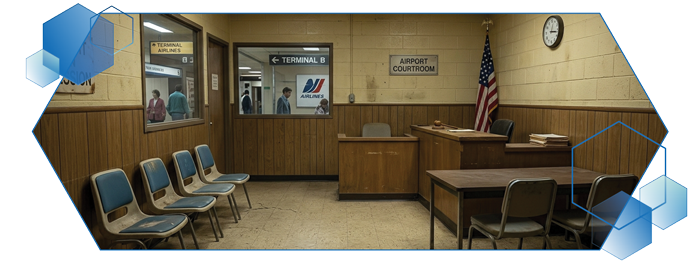
Let’s be clear—there are limited situations where you may not need dedicated trial tech support:
- No courtroom technology (no screens, projectors, or video)
- Very few exhibits or demonstratives
- No PowerPoint or video evidence
- Fully stipulated low-tech trial environment
That said, if there is any technology in the courtroom, having an attorney manage exhibits while trying to examine witnesses is a risk. Even highly tech-savvy lawyers struggle to do both effectively.
What Modern Trial Presentation Actually Requires
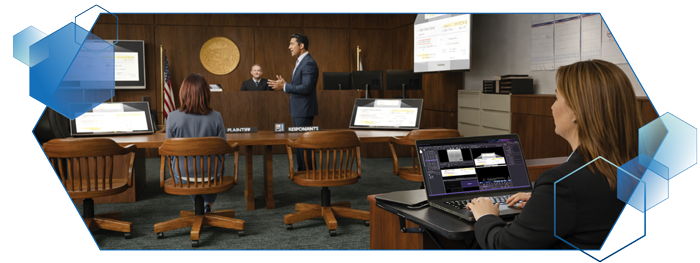
Today’s trials demand speed, precision, and adaptability. A qualified trial technician should be able to:
- Instantly display exhibits (within seconds)
- Zoom, highlight, and call out key testimony
- Create side-by-side comparisons on the fly
- Manage video depositions with synced transcripts
- Edit, redact, and save exhibits in real time
- Handle unexpected evidence without disruption
This isn’t basic tech support—it’s live performance under pressure
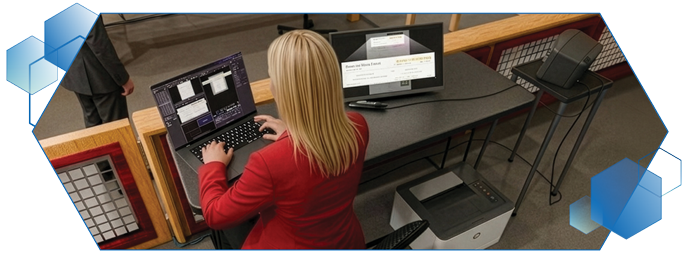
The Reality of Trial Software
Tools like TrialDirector and OnCue are powerful—but only in experienced hands.
A trained technician:
- Builds and optimizes your trial database
- Codes exhibits for instant recall
- Anticipates what you’ll need before you ask
Without that expertise, even great software becomes a liability.
Beyond Software:
What Really Matters in Trial
The difference between in-house and professional support often comes down to what happens when things go wrong.
- A true trial technician brings:
- Calm under pressure
- Courtroom experience
- Real-time troubleshooting ability
- Familiarity with judges, setups, and workflows
Because it’s not the routine moments that matter—it’s the unexpected ones.
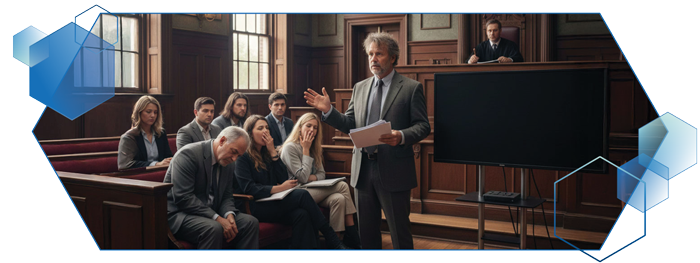
The Real Question: Where Should Your Focus Be?
Most teams can manage 80–90% of trial presentation.
But it’s the other 10%—the crash, the missing exhibit, the wrong clip, the delay in front of the jury—that can cost credibility.
Jurors notice:
- Delays
- Confusion
- Lack of control
And they also notice when a team is smooth, prepared, and confident.
Why Trial Teams Choose TrialSupport.us
At TrialSupport.us, trial presentation isn’t something we “help with.”
It’s what we do—every day, in courtrooms across the country.
We bring:
- Experienced, trial-tested technicians
- Mastery of TrialDirector and OnCue
- Full redundancy and backup systems
- Calm, reliable execution when it matters most
We don’t try your case—but we make sure your case is presented flawlessly.
If you’re evaluating whether to handle trial presentation in-house or bring in a professional, don’t wait until the week of trial.If you’re evaluating whether to handle trial presentation in-house or bring in a professional, don’t wait until the week of trial.
If you’re evaluating whether to handle trial presentation in-house or bring in a professional, don’t wait until the week of trial.If you’re evaluating whether to handle trial presentation in-house or bring in a professional, don’t wait until the week of trial.If you’re evaluating whether to handle trial presentation in-house or bring in a professional, don’t wait until the week of trial.
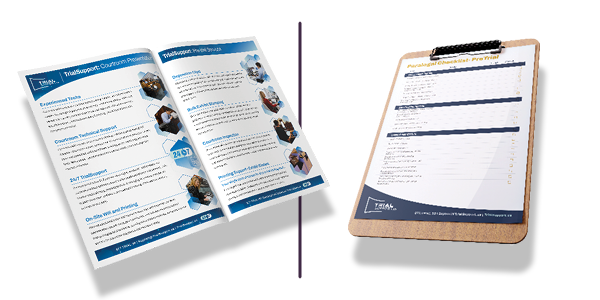
Download our FREE multi-point pre-trial readiness checklist and TrialSupport Services Guide.